
September seemed to be dominated by preparations for the ‘Points of View’ show later in October, and although there was the promise of a holiday break in St Ives during the second week, it was a matter of starting to do a lot of the tasks needed to bring the show in on time.
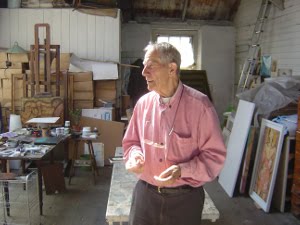
St Ives was a welcome break indeed and we hit a great week of sunshine and warm temperatures. As it was essentially a family holiday I restricted myself to a few sketches and a trail round all the art galleries. But, that said, I had a chance meeting whilst taking a coffee break with one of St Ives well established artists – John Emmanuel who occupied No. 2 Porthmeor studio, right on the beach front. These studios were occupied times long ago by world renown artists such as Ben Nicholson, Patrick Heron, Francis Bacon & Wilhelmina Barns Graham and much to my great delight I was asked to visit John in his studio during the afternoon. It was a pleasure being shown some his work and chatting about his working practice right in the place where so much great influential art was created.
Our holiday accommodation was very kindly let to us by a great artist friend of mine and was positioned high in the steep St Ives streets providing wonderful views of the harbor throughout the week.
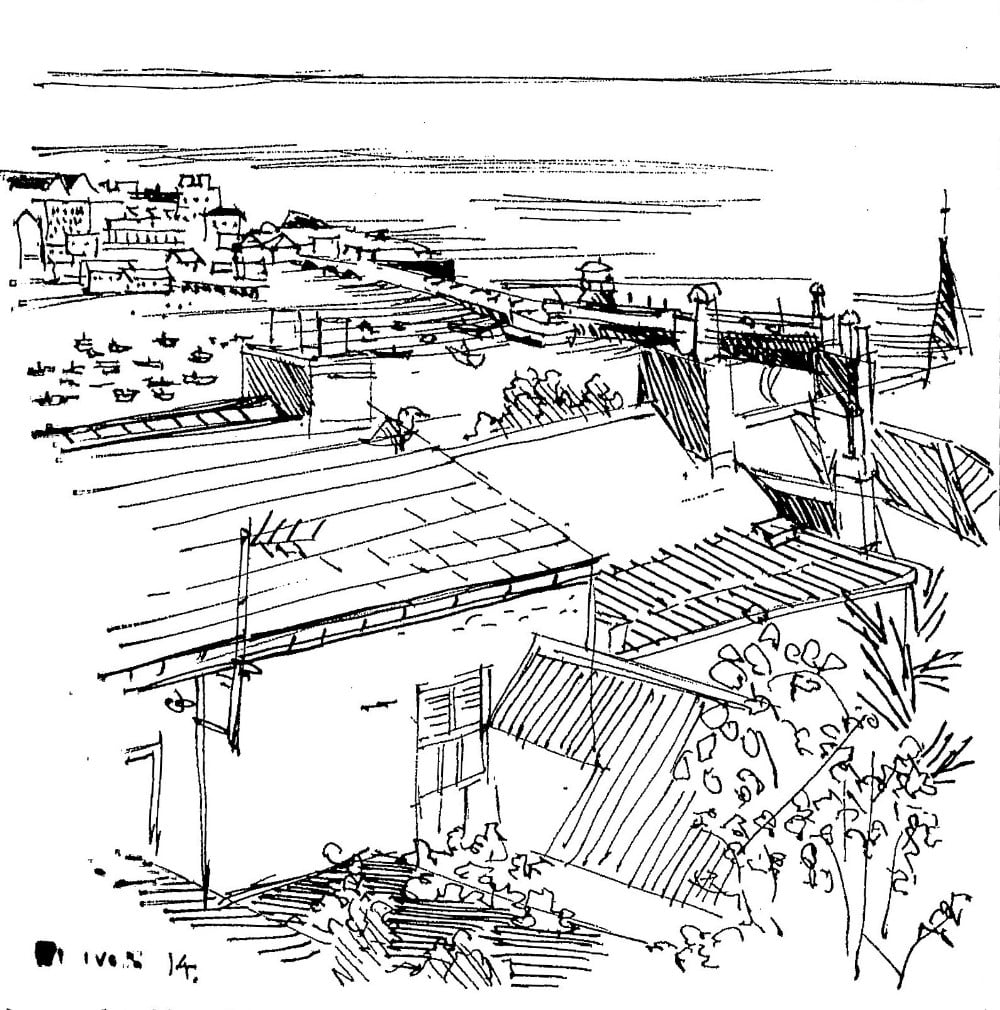
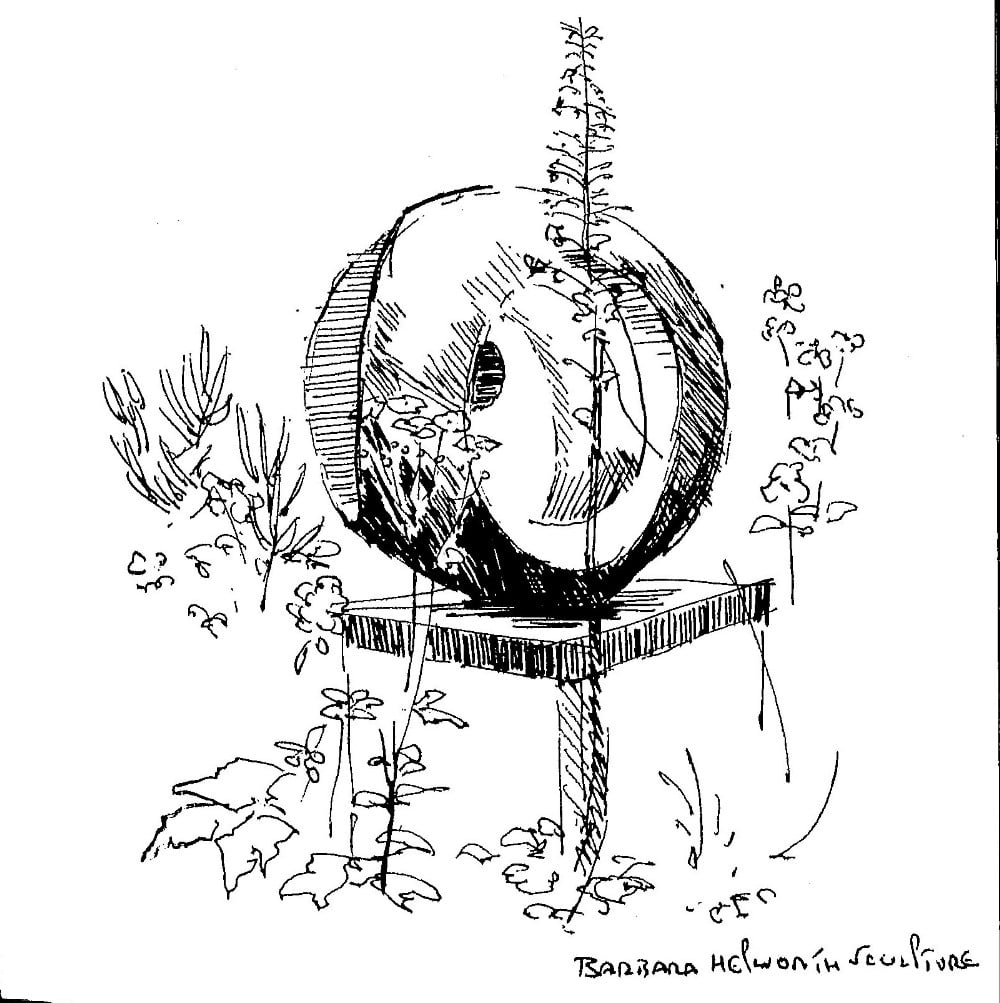
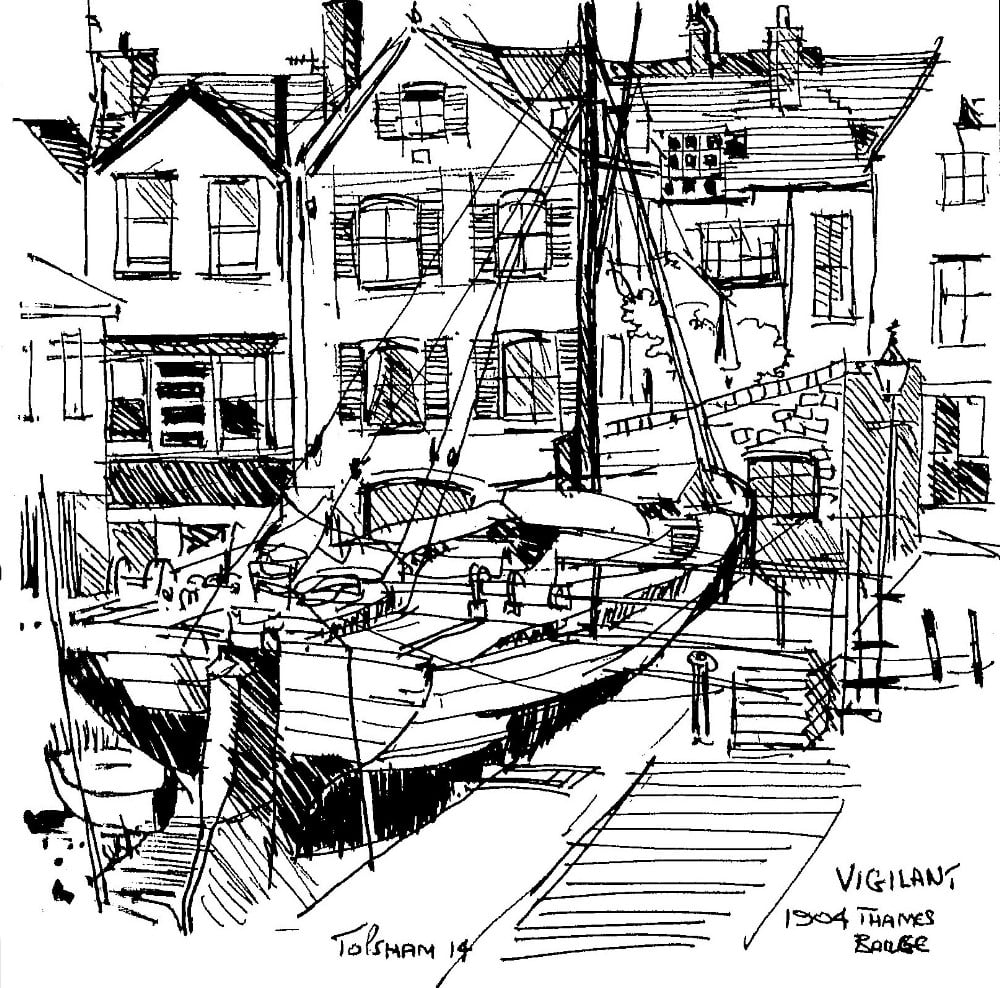
The week finished with my wife, son & family leaving me to enjoy a 2 day painting course in nearby Newlyn under the expert guidance of Gareth Edwards at the Newlyn School of Art. Day one was a wonderful day out at Lamorna cove followed by the next in the studio developing abstract ideas from the previous day’s studies. A great way of finishing off a truly inspiring week!
I suppose as well as absorbing and exploring all the great art in that part of the country, I came away with a confirmed desire to develop a more non – literal interpretation of landscape in my painting. I have sourced a great book describing the development of paintings by Patrick Heron ( Phiadon Press ) written by Mel Gooding. It is interesting to read about the struggle and achievement of Heron to develop an individual interpretation of abstraction in those formative years just prior and after the second world war. I get the sense of discovery and experimentation with concepts and techniques that were entirely new to the artistic community at that time. It is something that as I read the text and reflect on the artists who lived and worked in that part of Cornwall, it encourages me to forge ahead with greater abstraction in my work.
Recent Comments